
UV Air-Purification Light Installation
UV-C lamps installed where moisture lets microbes grow.
01Before anything else
Do you actually need uv air-purification light installation?
EPA does not recommend duct work on a schedule. It reserves the case for visible mold, vermin, or debris heavy enough to be released into the home. So before the price, and before the method: here is what would put your system in that category.
Tick what you recognize
- A musty odor that returns every cooling season no matter how clean the ducts are
- Microbial staining around the coil area found on inspection
- Long daily runtimes — systems that rarely rest keep surfaces wet longer
- An allergy- or asthma-sensitive household pursuing every marginal gain
- Coil-area cleanups that don't seem to hold from one season to the next
Ticked nothing? Then you may well not need this yet — and we would rather tell you that for $99 than sell you $399 of work you can defer. Book the camera inspection and let the footage decide.
This service
UV Air-Purification Light Installation
- From
- $399
- On site
- 1–2 hours
- Standard
- NADCA ACR
- Evidence
- Photos before & after
- Quote
- Written, before we start
Prices shown are starting estimates and may change with the condition, access, and scope we find on site. Only a written quote from an on-site visit is a price we commit to.
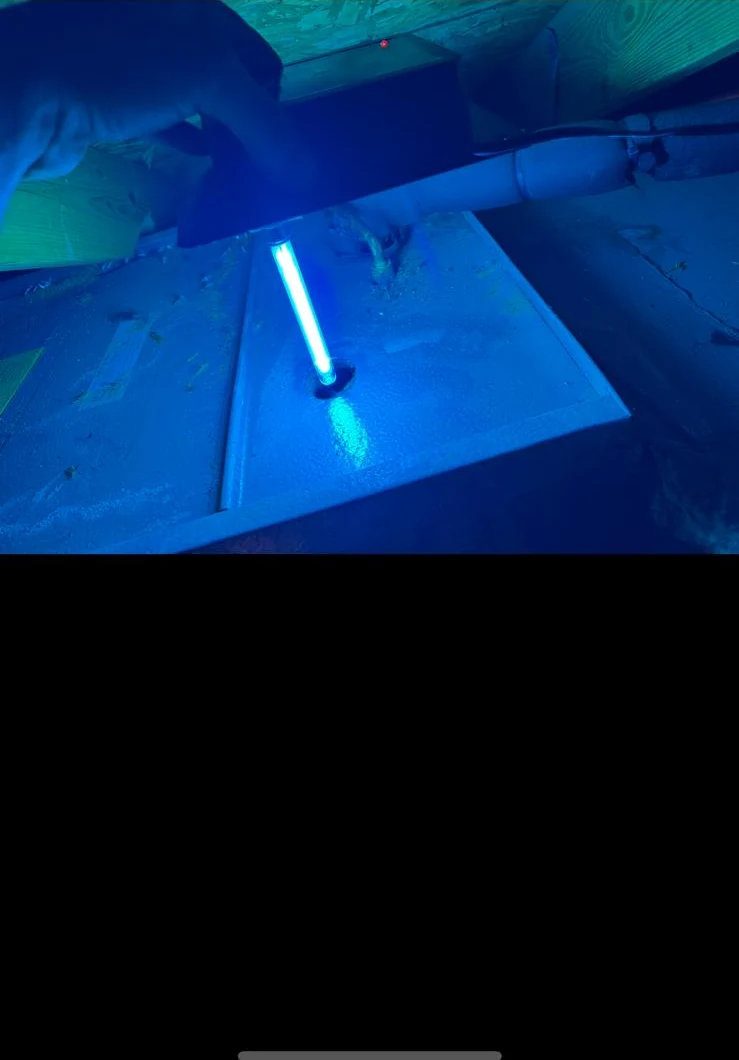
Our own job
UV at the coil
Scoped from a camera inspection
At Prime Air Duct Experts, a uv air-purification light installation is never guesswork. We scope every job from a camera look inside the ducts first — weighed against EPA guidance on when the work is actually warranted — so what you approve is matched to what your system actually needs, with the photos to prove it. And if the camera says the work isn't needed, we tell you that instead.
Camera duct inspection02What is included
Every line you are paying for.
Printed here so you can hold anyone else’s quote against it — including ours.
- UV-C lamp sized and positioned for your coil and plenum layout
- Mounting that shields wiring and plastic components from UV exposure
- Clean electrical connection with a full operation check
- Bulb-replacement schedule and owner walkthrough
Not included, on purpose: add-ons nobody has shown a reason for. Sanitizing, UV and filtration upgrades are offered only where the footage shows an indication — our technicians are not paid on what they sell.
03What it costs
$399, and here is why.
Published, not quoted over the phone from a script. The number moves only with what we find on camera, and only before you have approved anything.
- Labor
- 1–2 hours on site, containment down and back up
- Equipment
- The tooling and materials the job specifies, itemised on the quote
- Evidence
- Camera work before and after, delivered with the invoice
- Warranty
- One year on our workmanship
What moves the number
Number of runs · attic access · duct type · how much the system is carrying. A two-system two-story is not a compact ranch, and we would rather say so than quote you a figure that changes once we are through the door.
04How the visit runs
4 steps, in this order, every time.
- 01
Assess the layout
We examine your plenum and coil arrangement to confirm a lamp can actually reach the wet surfaces that matter.
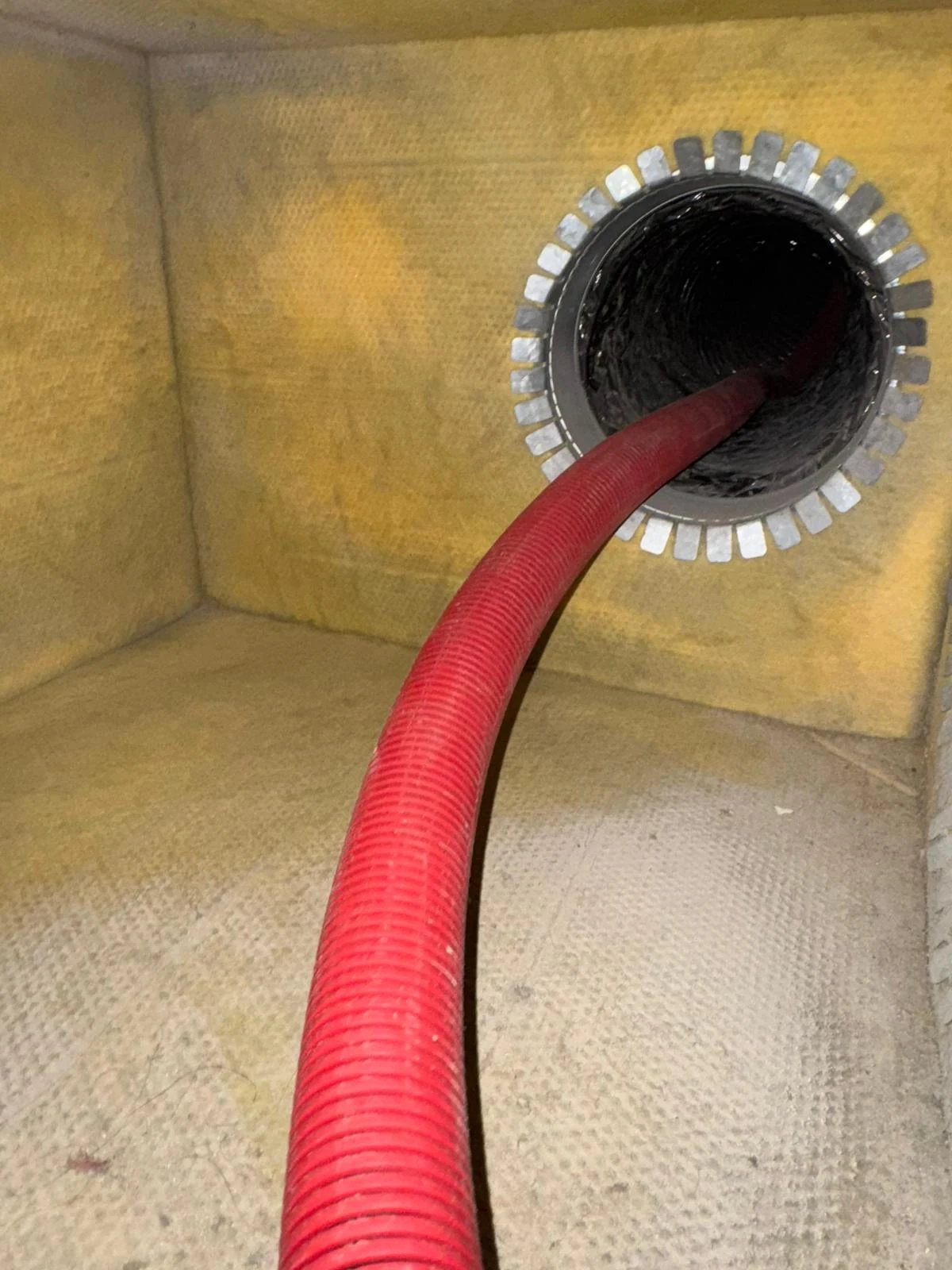
- 02
Position for surfaces
The lamp is aimed at the damp components, with plastics and wiring shielded — UV degrades what it shouldn't be pointed at.
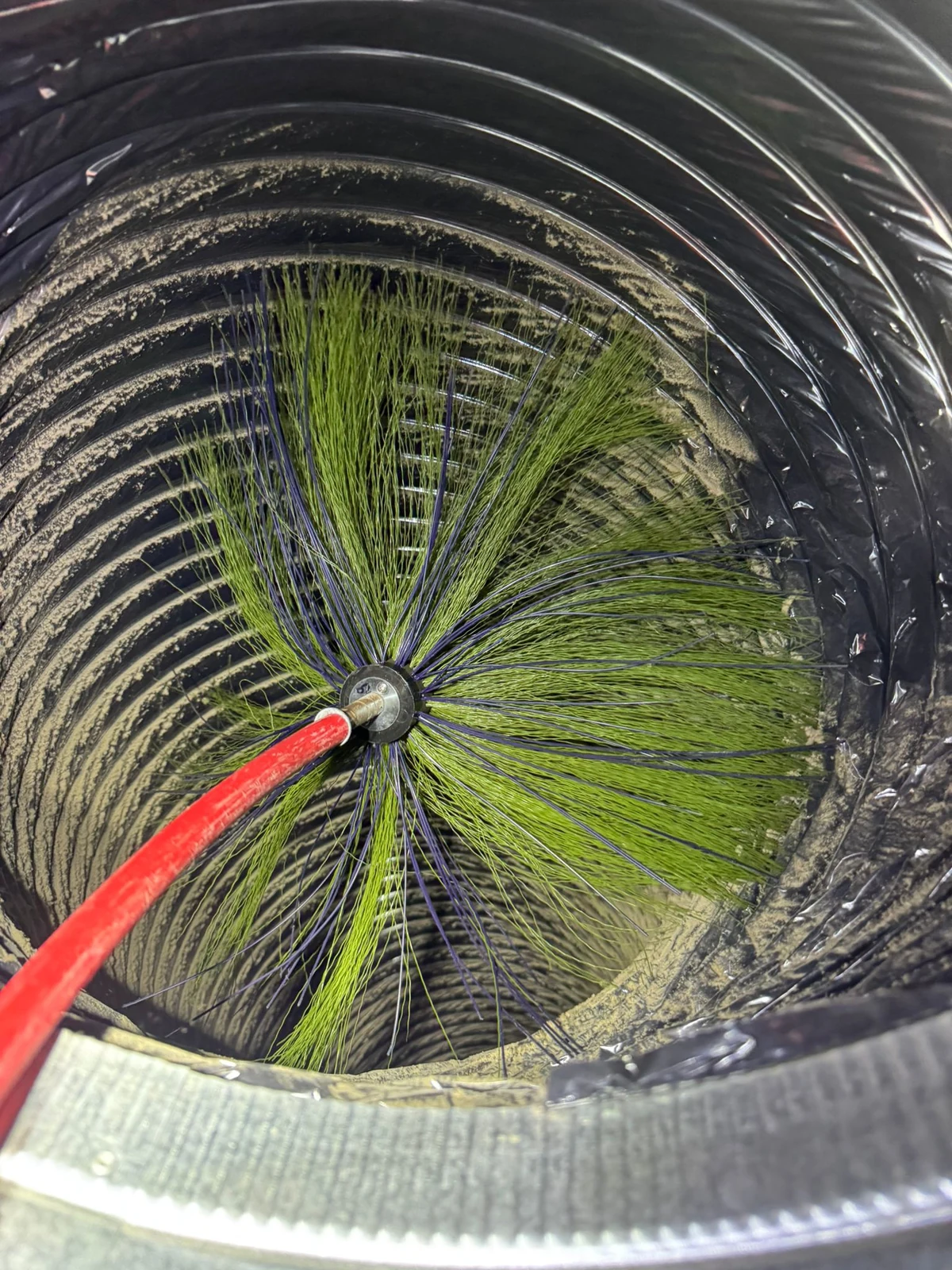
- 03
Wire and test
A clean electrical connection, a full operation check, and confirmation that no UV light escapes the cabinet.
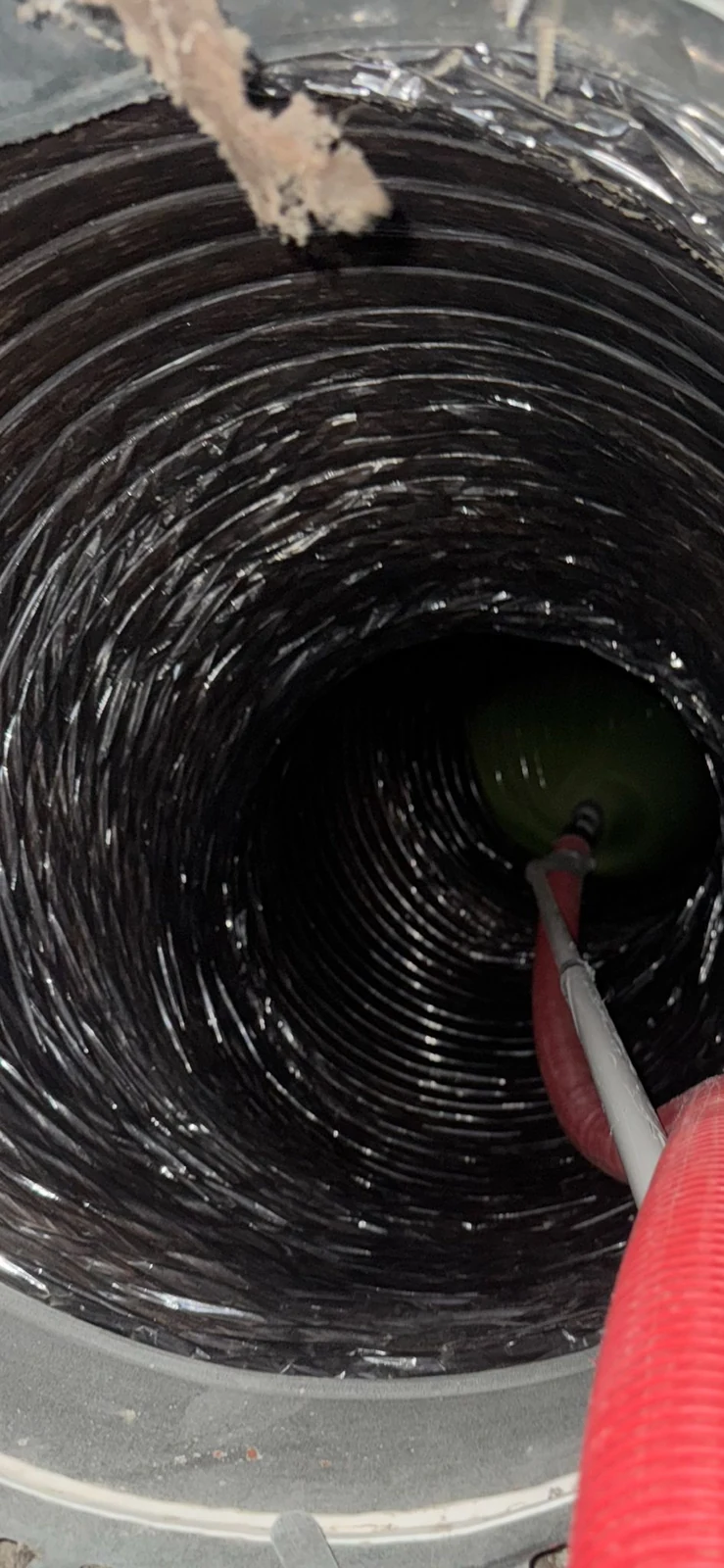
- 04
Walk through the upkeep
You get the bulb-replacement schedule, a dated install label at the unit, and a plain explanation of what to expect.
05What you are left holding
You cannot glance at a duct the way you can a mowed lawn.
Which is precisely why this trade has a trust problem, and why the job is not finished until you are holding proof of it.
Photographs of your own ductwork
The same runs, before and after. Not a stock gallery — your system, shot on the day.
A written record
Which runs were cleaned, what was found along the way, and anything we deliberately left alone.
A year on the workmanship
If something we did needs doing again inside twelve months, it gets done again.
If any company — ours included — cannot show you the inside of your ducts after charging to clean them, ask why.
06Book it
Nothing is charged until you have approved a written quote.
Leave three fields, or call. We will tell you on the phone what your system likely needs — including, sometimes, that it needs nothing.
- 8:00 – 10:00 AM
- 10:00 AM – 12:00 PM
- 12:00 – 2:00 PM
- 2:00 – 4:00 PM
- 4:00 – 6:00 PM
- 6:00 – 7:00 PM
A preference, confirmed by a person — we do not hold a live calendar and will not pretend a slot is reserved until someone has said so.
Do I actually need my air ducts cleaned?
Maybe not — and we'll be the ones to tell you. EPA guidance says duct cleaning is warranted in three situations: visible mold, vermin in the ducts, or significant dust and debris buildup. Not on a calendar, not automatically every few years. Our $99 camera inspection checks your system against those conditions and gives you a straight verdict with photos. A meaningful share of inspections end with 'not yet, re-check in a couple of years' — and that answer costs you $99, not $600.
Will duct cleaning help my allergies or asthma?
Honestly: there is no good evidence that it does, and the EPA states plainly that duct cleaning has never been shown to prevent health problems. It genuinely helps when your system meets one of the EPA's three conditions — visible mold growth, vermin, or debris actually being released into your rooms — and a camera inspection tells you which. For a household with asthma or heavy seasonal allergies, the changes that reliably move indoor air are a filter matched to what your blower can pull, a return path that isn't starved, and sealing ducts that are pulling attic air into the house. We would rather point you at those than sell you a cleaning you don't need.
We have a new baby — should we get the ducts cleaned?
Only if something has actually loaded them, and the usual culprit is renovation. Drywall dust and jobsite debris land on the return side where a filter never reaches them, so a nursery remodel with the system running is a real case and the before-and-after footage shows it. If nothing has changed about the house, start with the $99 camera inspection — it often ends the conversation. And one hard rule regardless: no ozone-generating air cleaner near an infant. The EPA is clear those aren't effective at concentrations that are safe to breathe.
How much does air duct cleaning cost?
A full-system source-removal cleaning starts at $349, targeted supply-and-return work at $199, and a camera inspection at $99. Those are honest starting points, not bait: your exact quote is confirmed after we look at the system on camera and before any work begins, and it doesn't change mid-job. Add-ons like sanitizing ($149) or a UV light ($399) are offered only when the footage shows a real indication — our technicians don't earn commissions.
How long does a full-system cleaning take?
Three to five hours for a typical single-system home. The honest variables are the number of runs, attic access, duct type, and how much debris the system is carrying — a two-system two-story takes longer than a compact ranch. We'd rather quote you a real window than promise a ninety-minute miracle, because whole-home source removal physically cannot be done in ninety minutes. You'll get a specific time estimate with your quote, and the system is back on the moment we finish.
UV Air-Purification Light Installation — where
All service areasLast reviewed: